
Safe lock replacement and upgrades
The Right New Lock for Your Safe
Replace a damaged, unreliable or compromised safe lock with an option suited to the safe and the people who use it. We work with key, mechanical combination and electronic locking systems.
Blackburn-based safe engineers covering Lancashire and the North West.
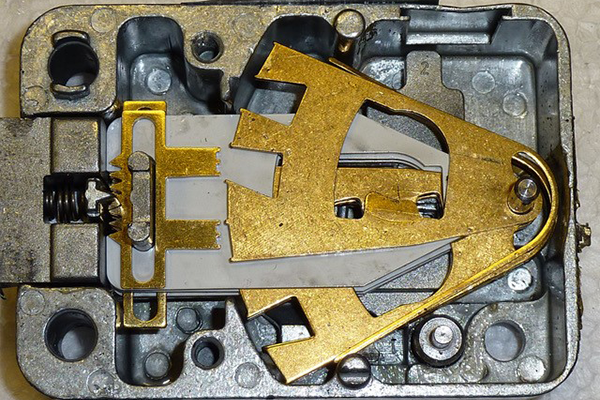
Is the safe locked and refusing to open?
That may need safe opening before the lock can be assessed or replaced.
When to change a safe lock
A replacement can solve a fault or restore control.
You do not always need to wait for a complete lockout. Changes in operation or access control are good reasons to ask for advice.
Lost or stolen keys
Restore confidence when a key is missing or its whereabouts cannot be confirmed.
An unreliable lock
Stiff keys, repeated attempts, keypad faults or inconsistent operation should be checked.
A change of users
Update access after moving home, taking over premises or changing responsible staff.
A different way to open
Move from keys to a code, or discuss a lock that better suits day-to-day use.
Replacement lock options
Choose how authorised users access the safe.
The suitable options depend on the safe and its required level of security. We will explain the practical differences before work is agreed.
Replacement key locks
A familiar, straightforward option when secure key control works well for the owner or business.
- No code to remember
- Simple access for named key holders
- Replacement keys can be discussed
Digital lock upgrades
Code-based access can remove the need to manage physical keys and may suit safes used by more than one person.
- Convenient code entry
- Access changes without replacing keys
- Features vary by lock model
Combination locks
A mechanical code option with no batteries. It requires deliberate dial operation and careful code control.
- No electronic power requirement
- No physical key to carry
- Suitable only where compatible
Choosing correctly
We check more than the lock on the door.
A new lock needs to operate correctly with the safe's existing mechanism and remain appropriate for how the safe is used.
Send photos for assessmentSafe make and model
The manufacturer, model and identification plate help establish the safe and its original specification.
Existing lock and boltwork
The fitting, footprint and way the lock interacts with the boltwork determine what can be installed.
Users and access control
We consider who needs access, how often the safe is used and how keys or codes will be controlled.
Security and insurance needs
Where a safe supports an insurance requirement, confirm the proposed lock change with the relevant insurer before proceeding.
How replacement works
From fault or security concern to a working new lock.
We identify what is fitted, discuss the suitable options and test the completed installation with you.
Tell us what changed
Explain the problem or reason for replacement and whether the safe is currently open.
Identify the safe
Send clear photographs of the safe, lock, keypad, key and data plate where available.
Agree the right option
We assess compatibility and explain repair, replacement or upgrade choices.
Fit and test
The chosen lock is installed and its operation is checked before the safe is returned to use.
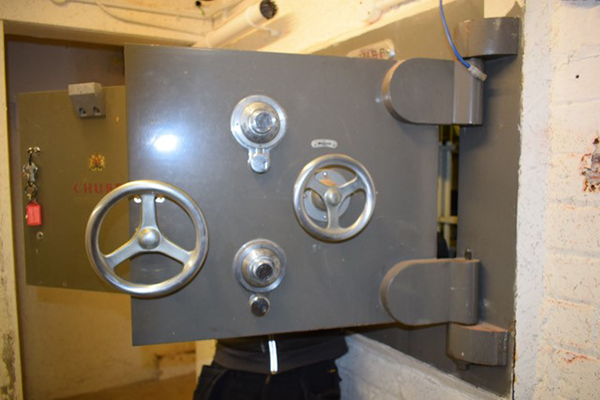
Commercial lock changes
Keep access appropriate when a business changes.
A new manager, lost key, changed tenancy or unreliable keypad can all create uncertainty. We help businesses restore clear control over safe access.
- Retail premises
- Hospitality venues
- Offices
- Care settings
- Property managers
- Independent businesses
North West coverage
Safe lock replacement from our Blackburn base.
We cover East and Central Lancashire, Greater Manchester, Merseyside, Cheshire and surrounding areas. Work farther afield can be discussed.
Lock replacement questions
Useful answers before changing a safe lock.
Send photographs if you are unsure which lock is fitted. We can tell you what information will help.
Can you replace a safe key lock with a digital lock?
Sometimes. It depends on the safe, the existing lock fitting, the boltwork and whether a suitable electronic lock is available. We need to assess compatibility before recommending a conversion.
Does the safe need to be open for a lock replacement?
In most cases, access to the inside of the safe door is needed. If the safe is locked and will not open, safe opening may need to be completed first.
Should I replace the lock if a safe key is lost?
If a key is unaccounted for, replacement may be the clearest way to restore control. The right response depends on the safe, the key type and where the key may have been lost.
Can you repair the existing lock instead?
We can assess whether servicing or repair is sensible. The condition of the lock, availability of parts and the required level of reliability will guide the recommendation.
Will a new lock affect the safe's insurance rating?
A lock change may affect the safe's specification or an insurer's requirements. If the safe is used for insured contents, confirm the proposed change with the insurer before work proceeds.
Which areas do you cover?
We are based in Blackburn and cover Lancashire, Greater Manchester, Merseyside, Cheshire and surrounding North West areas. We can travel farther when required.
Need a safer, more reliable way in?
Tell us the safe make, whether it is open and what has changed. Photographs of the safe, lock and data plate will help with the first assessment.